

Guide to Rudder Pedals for Flight Simulation
Introduction
For flight simulation enthusiasts, rudder pedals are more than just accessories; they are essential tools that narrow the gap between simulated and real-world flying. They provide realistic control and feedback, enhancing the overall flying experience. Whether you are a beginner or an experienced pilot, understanding the wide range of rudder pedals available, from entry-level to premium models, is key.
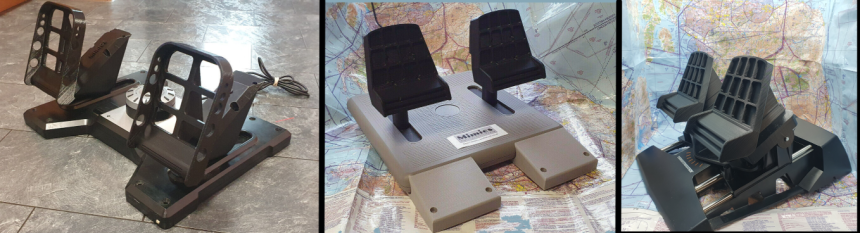
In flight simulation, rudder pedals present a spectrum of features, build quality, and pricing. Beginners or budget-conscious users might opt for entry-level models, which provide the basics for getting started yet may lack the nuanced feel of more advanced setups. As one invests more, pedals evolve in sophistication, durability, and realism, enhancing the flying experience. Essentially, it boils down to balancing the cost against the desire for an authentic flight feel.
Entry Level Pedals
Thrustmaster TFRP T.Flight Rudder Pedals
An ideal and budget-friendly choice, these pedals deliver a solid simulation experience with features like sliding motion and differential brake controls. They also offer a realistic pedal spacing, making them particularly apt for general aviation types.
CH Products Pro Pedals
Renowned for their robustness and simple design, these pedals deliver a reliable flying experience. Their straightforward, low-profile base and differential brake controls focus on functionality. While the design may feel old-fashioned and the pedals light enough to shift, they provide excellent value for beginners.
MidRange Pedals
Logitech G Pro Flight Rudder Pedals
These pedals offer a good mix of quality and cost-effectiveness, aimed at those desiring a deeper flight simulation. With features like adjustable tension and a non-slip surface, they enhance both control and longevity. Originally, under Saitek, there were two other versions: Cessna and Combat, which occasionally appear on resale sites like eBay.
HighEnd Pedals:
Thrustmaster Pendular Rudder Pedals
For those who seek the pinnacle of simulation realism, these pedals provide an unmatched experience. With a suspended mechanism and precise sensor system, they offer fluid motion and a robust metal build. They are ideal for advanced users who want the most authentic experience possible.

When choosing rudder pedals, it's crucial to consider what aspects of flying are most important to you, such as realism, durability, or compatibility with your other sim gear. Do you have enough USB ports? Can the units be daisy-chained together for consoles, for example? The available space on your floor and the type of chair you use are also significant considerations. Typically, the seating in actual aircraft is lower than standard office chairs, so using a realistic set of pedals from a too-high angle can be uncomfortable. To mimic real flying conditions, consider using an old car seat or a similar low-seating arrangement about 30 cm from the floor, as this can provide a more authentic and comfortable simulation experience.
Personalising your flight simulation setup can significantly enhance your flying experience. www.mimics3d.com offers a range of customisation options for rudder pedals, allowing you to tailor them to your specific needs and preferences. Whether it's the feel of the pedals, the type of aircraft you want to simulate, or the aesthetic you're after, customisation can make a big difference in your simulation, and the price remains low.
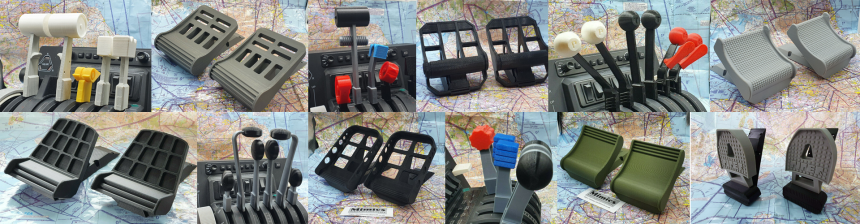
Rudder pedals are a critical component of any flight simulation setup. They provide the tactile feedback and control necessary to create a realistic flying environment. Whether starting with an entry-level model or investing in a high-end setup, understanding the options available and how they can enhance your flying experience is key. And with customisation options like those from www.mimics3d.com, you can take your simulation to new heights.


The Evolution of the Standard Overhead Join at UK GA Airfields
The overhead join has long been a staple in the United Kingdom's general aviation (GA) com...